The reward of insurance fraud
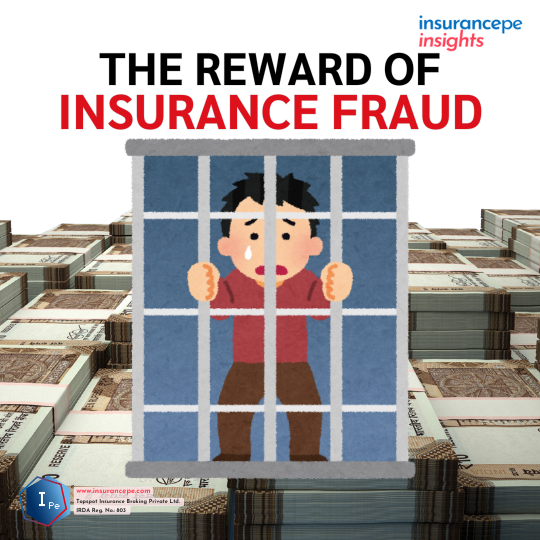
It might sound like a clever plan: report a fake fire, show some forged bills, and walk away with a cheque from the insurer, but for two Mumbai-based businessmen, that illusion ended in handcuffs.
In October 2025, two separate convictions in Mumbai courts made headlines.
One trader, Sandeep Suresh Jaiswal, was sentenced to four years in prison for staging a fire in his garment workshop. Another businessman, Pravin Daga, received the same sentence and a ₹25 lakh fine for falsely claiming compensation.
Both thought they could outsmart the system. Both learned the hard way that insurance fraud is not a victimless crime, and the punishment can be severe.
How the frauds were exposed
In Sandeep Suresh Jaiswal’s case, the scam began with a call to the police one night in 2016. His garment unit in suburban Mumbai had “caught fire.” He produced purchase bills, inventory lists, and supplier invoices to show massive losses, all perfectly documented.
But when the insurance surveyors arrived, the story started to unravel.
- The burn patterns didn’t match an accidental fire.
- Some machines were untouched, others partially burnt.
- Bills were traced to non-existent suppliers.
Forensic analysis later confirmed that the fire had been deliberately started.
In the second case, Pravin Daga, a garment merchant, took out a fire insurance policy worth ₹1 crore for a Kurla-based property. When a fire broke out at a different location in Navi Mumbai, he conspired to shift the insured address on paper and filed a claim of ₹21.9 lakh.
But investigators from the CBI soon found that:
- The insured site and the fire site were not the same property.
- Surveyors had been misled into inspecting the wrong godown.
- Fire department records proved the true owner of the affected premises.
The result, a fraud conviction, forfeited gains, and a long prison sentence.
The legal consequences
Insurance contracts are governed by a principle called “utmost good faith” i.e. both the insurer and the insured must deal honestly and transparently. Any deliberate misrepresentation or concealment voids the contract and attracts criminal prosecution under:
- Section 420 (Cheating) of the Indian Penal Code (IPC)
- Section 468 (Forgery)
- Section 471 (Using forged documents)
In Daga’s case, the special CBI court observed that the fraud was “cold and calculated,” rejecting any plea for leniency.
“A reformative approach cannot be adopted. This is an economic offence that must be dealt with strictly.”said Judge Amit V. Kharkar
Insurance fraud hurts everyone
Insurance fraud isn’t just an individual crime; it has ripple effects:
- Higher Premiums for Everyone: Insurers lose hundreds of crores annually to false claims. These costs are passed on to honest policyholders through higher premiums.
- Stricter Claims Processes: Each fraudulent claim adds red tape. Insurers tighten verification checks, delaying genuine settlements.
- Erosion of Trust: Insurance is built on good faith. When fraud becomes common, it weakens confidence in the system both for customers and insurers.
- Legal Consequences: A single act of fraud can lead to imprisonment, fines, blacklisting, and permanent damage to business reputation.
Fraud isn’t just unethical, it’s expensive, criminal, and self-defeating.
Misrepresentation vs. Fraud
Not every discrepancy is fraud, but intent makes all the difference. For instance:
- Forgetting to disclose a minor health issue while buying health insurance? – Non-disclosure (can lead to rejection).
- Faking a car accident to claim repair money? – Fraud (can lead to jail).
Even inflating repair bills or fabricating hospital expenses counts as fraud under the IPC.
Fraud doesn’t need to be large-scale to attract punishment, even a ₹10,000 falsified claim can be prosecuted if intent is proven.
How are Insurers fighting fraud?
The insurance industry is no longer easy prey. To detect and prevent fraud, companies now deploy:
- Forensic fire analysis to verify cause and temperature patterns.
- AI-driven anomaly detection, flagging suspicious claims based on data trends.
- Third-party audits for bills, inventory, and supplier authenticity.
- Video and photo verification from on-ground assessors.
Even smaller claims are scrutinized for red flags – repeated claims, inconsistencies in documents, or unnatural loss patterns. Insurance companies are also sharing data through the Insurance Information Bureau (IIB) to cross-check suspicious claim histories across multiple insurers.
Insurance exists to protect, not profit. When a fire, accident, or illness strikes, it’s your insurer that helps you rebuild your life. But when someone abuses that trust, it hurts the very system designed to provide safety.
Fraud may seem like a quick win, but as the above cases show, it ends in legal, financial, and personal ruin.
insurancepe reminds you that Insurance is a promise, and like all promises, it only works when both sides stay honest. Remember, honesty is the best policy!
This blog post is brought to you by the minds at insurancepe!
Got questions or doubts about anyone insurance?
Need advice or help understanding your insurance needs?
Want the best bang for your buck when buying insurance?
We got you!
Reach out to us at:
Whatsapp/Phone: 89779 18030
E-mail: contact@insurancepe.com
Visit us at www.insurancepe.com