
What can E20 do to older engines?
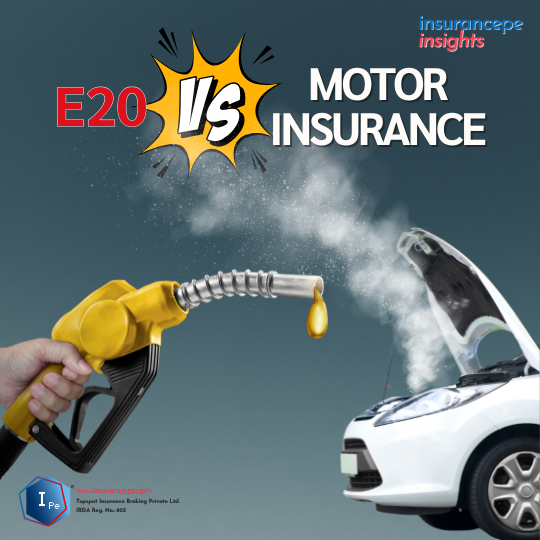
As India races towards its energy transition goals, the nationwide rollout of E20 fuel (a 20% ethanol, 80% petrol blend) has brought unintended consequences for vehicle owners. While the cleaner, greener fuel is a win for the environment, many motorists have reported drops in mileage, higher maintenance bills, and unexpected vehicle issues.
But will their motor insurance policies cover any damages from the new fuel or these increased maintenance costs?
It is unclear how insurance claims are going to be treated and there is a worry that a hidden cost may be looming: denied motor insurance claims.
What is happening?
Since the introduction of E20 in 2023, complaints have mounted. A LocalCircles survey (Oct 2025) revealed:
- 80% of vehicles purchased in 2022 or earlier showed mileage drops.
- 52% of owners reported increased repairs, up from 28% in August.
- Fuel injectors, tanks, and engine valves were most commonly affected.
- Mechanics report 40% more fuel-related issues, with clogged filters, corrosion, and injector failures leading the list.
What can E20 do to older engines?
Ethanol is hygroscopic i.e. it absorbs water, which can corrode engine parts not designed for it. It also affects rubber seals and fuel lines, especially in vehicles made before April 2023, which are not E20-compliant.
Prolonged use can cause:
- Engine overheating (due to improper combustion)
- Corrosion in tanks and fuel lines
- Softening or cracking of rubber components
This damage is real, but will your motor insurance policy cover it?
Insurers may Say “No” to claims
Insurers generally classify such issues under:
- “Wear and tear” or
- “Mechanical breakdown”
Both are typically excluded from standard motor insurance policies.
Even engine protection add-ons may not help if E20 use is considered gross negligence (using incompatible fuel knowingly or unknowingly).
Unclear insurance coverage = Claim disputes
Most policy documents don’t yet mention E20 or ethanol-related risks and from this arises a lack of clarity. But vague clauses like “reasonable care” or exclusions for “improper fuel use” could allow insurers to deny claims.
There’s already concern that the rollout of E20 was too fast, leaving millions of owners of older vehicles exposed to disputes.
What does the Government say?
The government maintains that:
- E20 is safe for all vehicles post-2023.
- Insurance and warranties are unaffected.
- Ethanol reduces emissions, import bills, and benefits farmers.
But since only vehicles made after April 2023 are fully certified for E20. That leaves over 230 million vehicles exposed if damage occurs.
How will insurers adapt?
Insurers may need to revise policy wordings to:
- Clearly include or exclude ethanol-related damage.
- Offer specific E20-related riders or add-ons.
- Prevent disputes that lead to consumer dissatisfaction and legal escalation.
insurancepe recommends that until policy wordings evolve, you should take precautions:
- Check E20 compatibility for your vehicle with the manufacturer.
- Use fuel recommended in your owner’s manual.
- Request clarification from your insurer in writing.
- Avoid unauthorised repairs and get proper assessments.
- Maintain service records to show due diligence.
Don’t assume your claim will be accepted. Document everything.
This blog post is brought to you by the minds at insurancepe!
Got questions or doubts about anyone insurance?
Need advice or help understanding your insurance needs?
Want the best bang for your buck when buying insurance?
We got you!
Reach out to us at:
Whatsapp/Phone: 89779 18030
E-mail: contact@insurancepe.com
Visit us at www.insurancepe.com